The Subtle Choices That Give An Outfit Character
An outfit does not always need bold color, dramatic layering, or statement pieces to feel distinctive. Often, its character comes from smaller decisions that are easy to overlook. The way a sleeve is folded, how fabrics sit together, where a hem falls, or how one color appears against another can completely change the impression of a look.
These details may seem minor, but they influence how an outfit feels as a whole. When chosen carefully, they create personality without making the styling feel forced. This is where subtle dressing becomes powerful: not through excess, but through thoughtful choices that quietly shape the final result.
Small Adjustments Create Big Differences
Two people can wear almost the same clothing and still look completely different. One may tuck in a shirt while the other leaves it loose. One may roll the sleeves, layer the neckline, or choose a different shoe shape. These small adjustments affect proportion, structure, and mood.
The strength of detail lies in its ability to change the character of familiar clothing. A simple outfit can suddenly feel sharper, softer, more relaxed, or more expressive depending on how each element is handled.
Fabric Changes The Personality
Fabric influences more than comfort. It also changes how an outfit is perceived. Crisp cotton can create a cleaner appearance, while soft knits feel more relaxed. Structured materials add definition, while flowing fabrics introduce movement. Even when two garments have similar cuts, their textures can make them feel completely different.
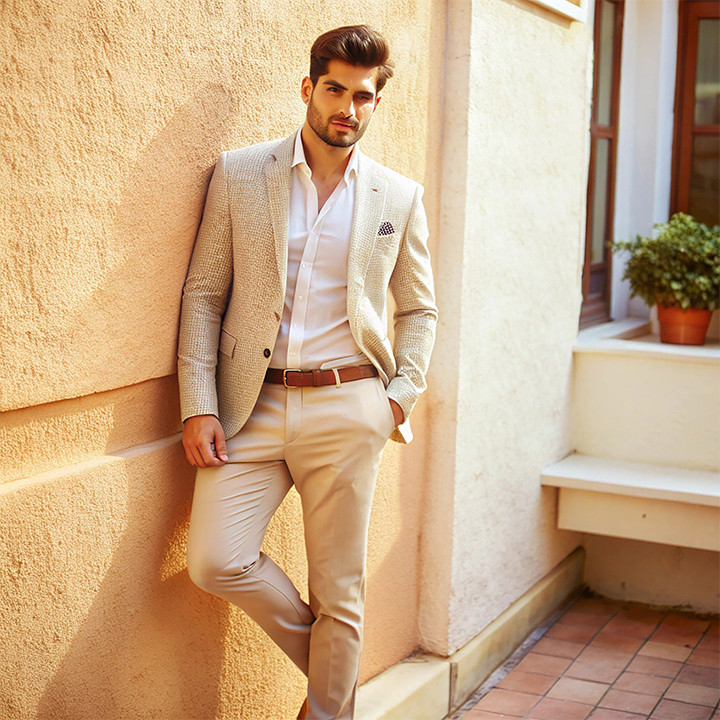
Combining contrasting textures can also create visual depth. A smooth surface beside something woven, ribbed, or softly layered gives the outfit more dimension without adding unnecessary decoration. This kind of contrast adds character in a quiet and controlled way.
Proportion Shapes The Mood
The length and volume of clothing can strongly affect an outfit. Wide trousers paired with a shorter top can create balance, while a longer layer over fitted pieces may feel more relaxed. A cropped jacket can sharpen the overall silhouette, while an oversized shirt can introduce a softer shape.
These choices influence how the eye moves through an outfit. A good proportion does not always follow one fixed rule. What matters is how the pieces relate to one another. When the shapes feel intentional, the outfit develops a stronger visual identity.
Color Placement Adds Meaning
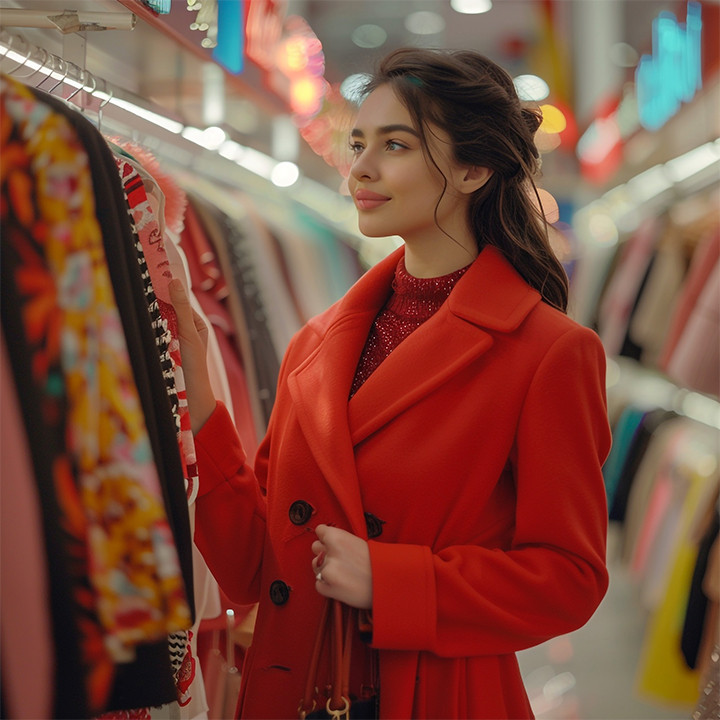
Color does not need to be loud to have impact. Sometimes one deeper tone within a neutral outfit creates enough contrast to make the look memorable. Repeating a shade in two different areas can connect the outfit, while introducing a softer color can change the overall energy.
Where color appears is often just as important as which color is chosen. A darker outer layer can frame lighter clothing underneath, while a small contrast near the neckline can draw attention upward. Thoughtful placement helps color become part of the structure rather than simply decoration.
Finishing Choices Matter
An outfit often feels complete because of the final few decisions. The choice between a clean cuff and a rolled sleeve, an open collar and a buttoned neckline, or a tucked and untucked hem can influence the entire look.
These finishing touches show intention. They do not need to look highly styled. In fact, the best details often feel natural, as though they belong there without demanding attention. This sense of restraint allows the outfit to feel considered while still remaining easy.
Repetition Builds Personal Style
Certain details can gradually become part of someone’s signature. You may consistently prefer sleeves pushed slightly upward, layered neutral tones, relaxed tailoring, tonal dressing, or specific proportions. Over time, these repeated choices create a recognizable style identity.
Personal style often develops through these habits rather than through dramatic changes. The more you understand which details feel natural to you, the easier it becomes to build outfits that feel distinctive without relying on trends.
Character Comes From Intention
The strongest outfits are not always the ones with the most going on. Often, they are the ones where every detail feels connected. Fabric, proportion, color, shape, and finishing choices work together to create a clear impression.
Character in clothing comes from understanding how small decisions influence the whole. When those decisions are intentional, even the simplest outfit can feel memorable. That is the value of detail theory. It reminds us that style is often built quietly—through choices that may be subtle on their own, but powerful when brought together.